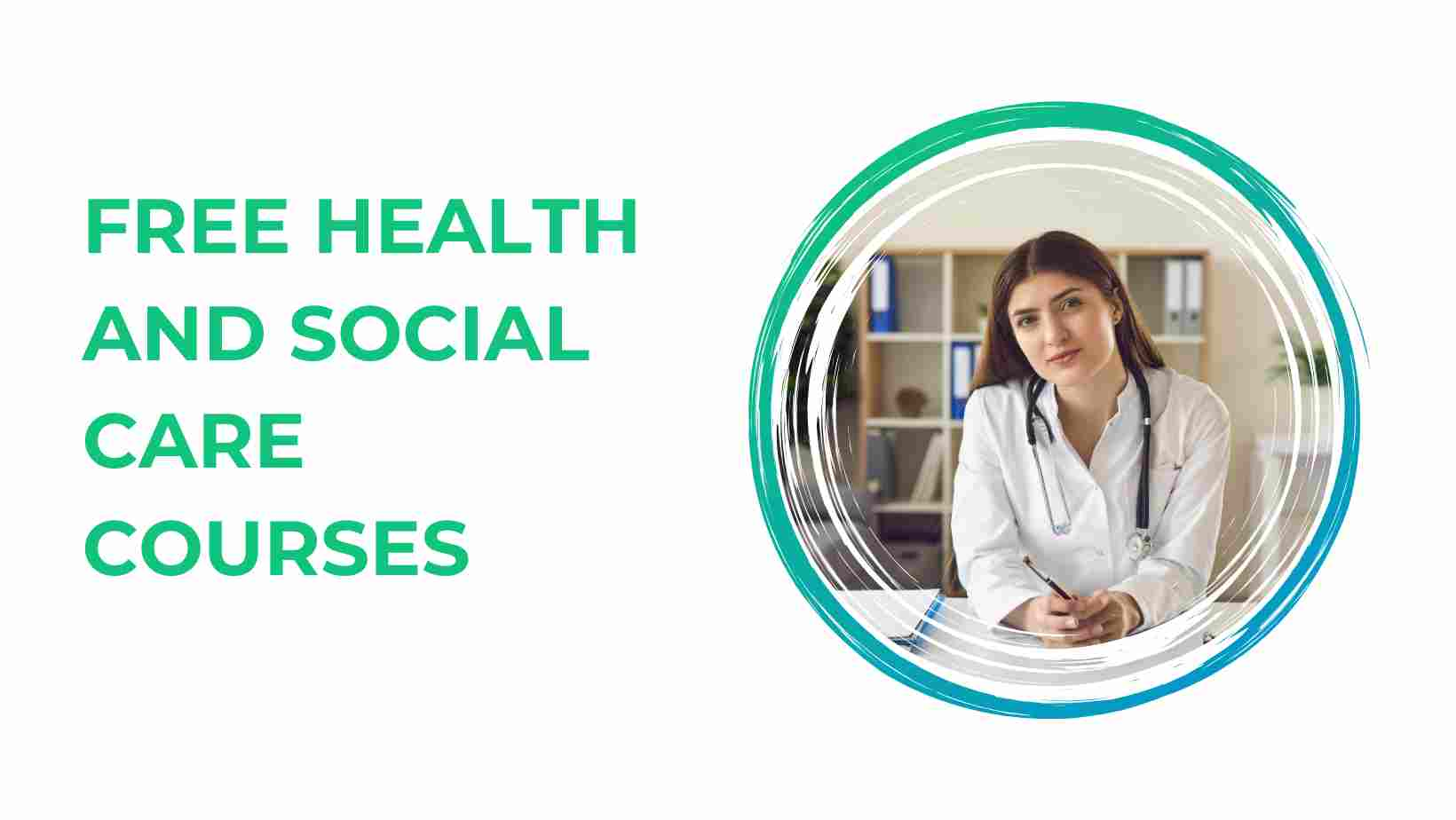
Free Health and Social Care Courses
Introduction
The health and social care sector plays a critical role in modern society, offering essential services that support individuals across all stages of life. From healthcare assistants in hospitals to social care workers supporting vulnerable people in the community, professionals in this field are responsible for ensuring quality of life, dignity, and wellbeing. However, not everyone has access to formal education or training because of financial or logistical barriers. That’s where free health and social care courses become a transformative opportunity.
Free courses in health and social care make it possible for anyone—regardless of financial background—to gain valuable knowledge, develop practical skills, and improve career prospects. Whether you are a beginner seeking to enter the field, a professional aiming to enhance your expertise, or someone looking to switch careers, these free courses can serve as the foundation for professional development.
This article explores the concept of free health and social care courses in depth. It highlights their benefits, types, career opportunities, eligibility, skills gained, challenges faced, and future prospects. By the end, you will have a complete understanding of why free health and social care courses are an excellent stepping stone for anyone aiming to build a fulfilling career in this growing industry.
Understanding Health and Social Care
What Is Health and Social Care?
Health and social care refers to services designed to support people in maintaining good health, wellbeing, and independence. It combines healthcare services with social care, ensuring individuals receive comprehensive support tailored to their physical, mental, and emotional needs.
This sector includes a wide range of services such as:
Hospitals and clinics
Residential care homes
Community support services
Mental health facilities
Childcare and family support services
Health and social care workers are often described as the backbone of society because they directly contribute to improving lives through both medical assistance and social support.
Importance of Skilled Professionals
As populations age and health needs increase, the demand for skilled professionals in this field continues to grow. Workers must understand not only medical procedures but also principles like safeguarding, communication, equality, diversity, and person-centered care. Free health and social care courses make such knowledge accessible to everyone who is passionate about contributing to the sector.
Why Free Health and Social Care Courses Are Important
Breaking Down Barriers
Education and training can be expensive. Many aspiring care workers hesitate to enroll in professional courses because of tuition fees. Free health and social care courses remove this financial barrier, allowing people from all walks of life to gain essential qualifications and training.
Opening Doors to Employment
Employers increasingly look for candidates who can demonstrate training and certification, even for entry-level roles. Completing a free course shows initiative, dedication, and a foundational understanding of care work. This improves employability and confidence when applying for jobs.
Supporting Professional Development
For those already working in the sector, free courses serve as continuing professional development (CPD). They allow individuals to refresh their skills, stay updated with regulations, and progress toward higher-level roles.
Encouraging Lifelong Learning
Learning doesn’t stop with one qualification. Free courses foster a culture of lifelong learning, encouraging individuals to continuously improve their skills and adapt to evolving industry standards.
Benefits of Free Health and Social Care Courses
Free health and social care courses bring multiple benefits to learners, communities, and employers alike.
Benefits for Learners
Cost Savings: No tuition fees mean learners can focus entirely on gaining skills without worrying about finances.
Flexibility: Most free courses are online, allowing learners to study at their own pace, anywhere in the world.
Confidence Building: Even a short free course can give beginners the confidence to pursue advanced qualifications.
Pathway to Careers: Free courses can act as a stepping stone toward diplomas, degrees, or professional certifications.
Benefits for Employers
Skilled Workforce: Employers benefit from candidates who have already taken the initiative to learn key concepts.
Lower Training Costs: Hiring staff who have completed free courses reduces employer training expenses.
Motivated Employees: Candidates who complete free courses show dedication and genuine interest in the sector.
Benefits for Communities
Improved Care Services: More trained individuals lead to higher quality of care.
Greater Awareness: Free courses educate the public about health and social care, promoting healthier and safer communities.
Inclusivity: Free access ensures everyone, regardless of background, can contribute to society through meaningful work.
Types of Free Health and Social Care Courses
Short Online Courses
Short courses provide introductory knowledge in topics such as communication, safeguarding, first aid, or basic care principles. These are ideal for beginners or those testing their interest in the sector.
Certificate Courses
Some free courses offer certificates upon completion. These certificates validate learning and can be included on CVs, helping learners stand out in job applications.
Specialized Training
Specialized free courses focus on specific areas like:
Dementia awareness
Child safeguarding
Mental health first aid
End-of-life care
Equality and diversity in care
Government-Funded Programs
In many regions, government initiatives sponsor free courses to fill skills shortages in health and social care. These programs often provide more structured learning, sometimes equivalent to formal qualifications.
Skills You Gain from Free Health and Social Care Courses
Completing free health and social care courses equips learners with a broad set of valuable skills.
Communication Skills: Understanding how to interact with patients, families, and colleagues effectively.
Safeguarding Knowledge: Recognizing and responding to risks of abuse, neglect, or exploitation.
Basic Medical Knowledge: Learning about hygiene, infection control, and basic health procedures.
Teamwork and Leadership: Collaborating with others and sometimes leading small groups in care settings.
Person-Centered Care: Developing empathy and focusing on individualized support.
Problem-Solving: Handling emergencies or unexpected challenges in a calm and effective manner.
Eligibility for Free Health and Social Care Courses
Eligibility varies depending on the provider. In general:
Most free courses are open to anyone over 16.
Some require learners to be residents in a particular country.
For advanced free courses, previous knowledge or work experience may be required.
Basic literacy and IT skills are helpful since many free courses are online.
Career Opportunities After Free Health and Social Care Courses
Completing free health and social care courses can open up career opportunities such as:
Healthcare assistant
Social care support worker
Care home assistant
Residential care worker
Community support worker
Mental health support worker
While free courses may not always replace full professional qualifications, they provide a foundation that makes learners more competitive in the job market and more prepared for advanced training.
Free vs Paid Health and Social Care Courses
Free Courses
Accessible to everyone
Great for beginners and CPD
May not always be as detailed as paid programs
Often delivered online
Paid Courses
More comprehensive and advanced
May lead to recognized diplomas or degrees
Usually involve assessments and workplace learning
Higher credibility in the job market
Step-by-Step Guide to Enrolling in Free Health and Social Care Courses
Research Providers: Look for organizations, colleges, or online platforms that offer free health and social care courses.
Check Eligibility: Ensure you meet age, location, or educational requirements.
Register Online: Most courses have a simple online registration process.
Access Learning Materials: Start studying at your own pace using online resources.
Complete Assessments: Some courses require short quizzes or written assignments.
Receive Certification: If the course provides certificates, download or request them upon completion.
Challenges of Free Health and Social Care Courses
While free courses are highly beneficial, learners may face some challenges:
Limited Accreditation: Not all free courses are formally recognized by employers.
Self-Motivation Needed: Online free courses require discipline and time management.
Basic Content: Free courses may not cover advanced topics in detail.
Tips for Success in Free Health and Social Care Courses
Create a study schedule to stay consistent.
Engage in discussion forums or peer groups for support.
Apply the knowledge in real-life scenarios for better understanding.
Use free courses as a stepping stone toward formal qualifications.
Future of Free Health and Social Care Courses
The future looks promising for free health and social care courses. With growing demand for skilled professionals, governments and educational institutions are expected to expand free learning opportunities. Technology will play a key role, with interactive e-learning, simulations, and virtual classrooms making training more engaging and effective.
Conclusion
Free health and social care courses are a gateway to opportunity. They break down financial barriers, make education accessible to all, and provide the skills necessary for a meaningful career in health and social care. Whether you’re just starting your journey, already working in the sector, or considering a career change, free courses can help you build confidence, knowledge, and employability.
In a world where compassionate, skilled care professionals are more essential than ever, free health and social care courses empower individuals to make a real difference—both in their own lives and in the lives of others.